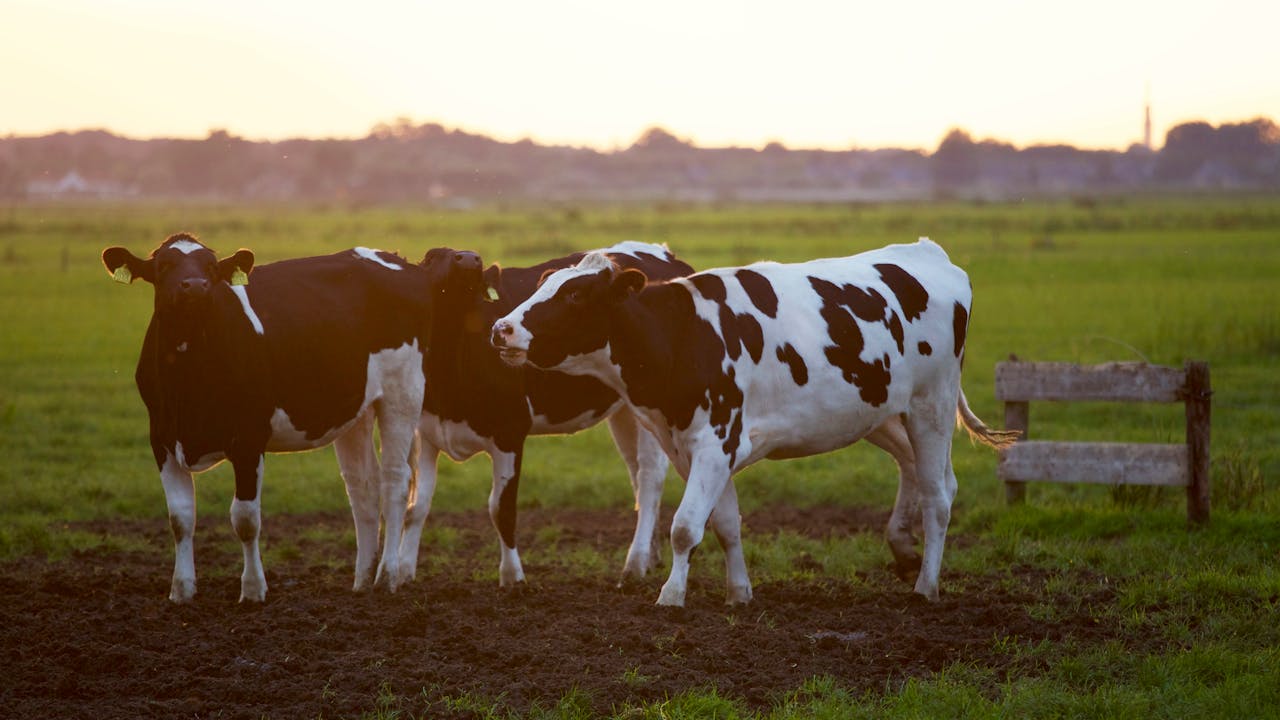

Hypomagnesemia, is a metabolic disorder in dairy cows caused by low levels of magnesium in the blood. Magnesium is crucial for proper muscle function, nerve transmission, and enzyme activation, and its deficiency can lead to severe muscle tremors, coordination problems, and even sudden death. Grass staggers typically occurs when cows are grazing lush pasture, particularly in the spring or early summer, when magnesium levels in the pasture are low and the cow’s intake may be insufficient. The condition is most common in suckler cows. Additionally, high potassium levels in rapidly growing grass or high nitrogen fertilization can further interfere with magnesium absorption, increasing the risk of hypomagnesemia.
Clinical signs of hypomagnesemia include muscle tremors, hyperexcitability, incoordination, and, in severe cases, recumbency, which can lead to death if untreated. The condition often occurs suddenly, and affected cows may show signs of neurological disturbance, including difficulty walking and sudden collapse.
Treatment involves the administration of intravenous magnesium and oral supplements to restore magnesium levels, and prevention typically includes supplementing magnesium in the diet, particularly during the high-risk grazing periods. Ensuring that cows have access to adequate magnesium sources, such as magnesium oxide or mineral licks, is key to reducing the risk of hypomagnesemia.