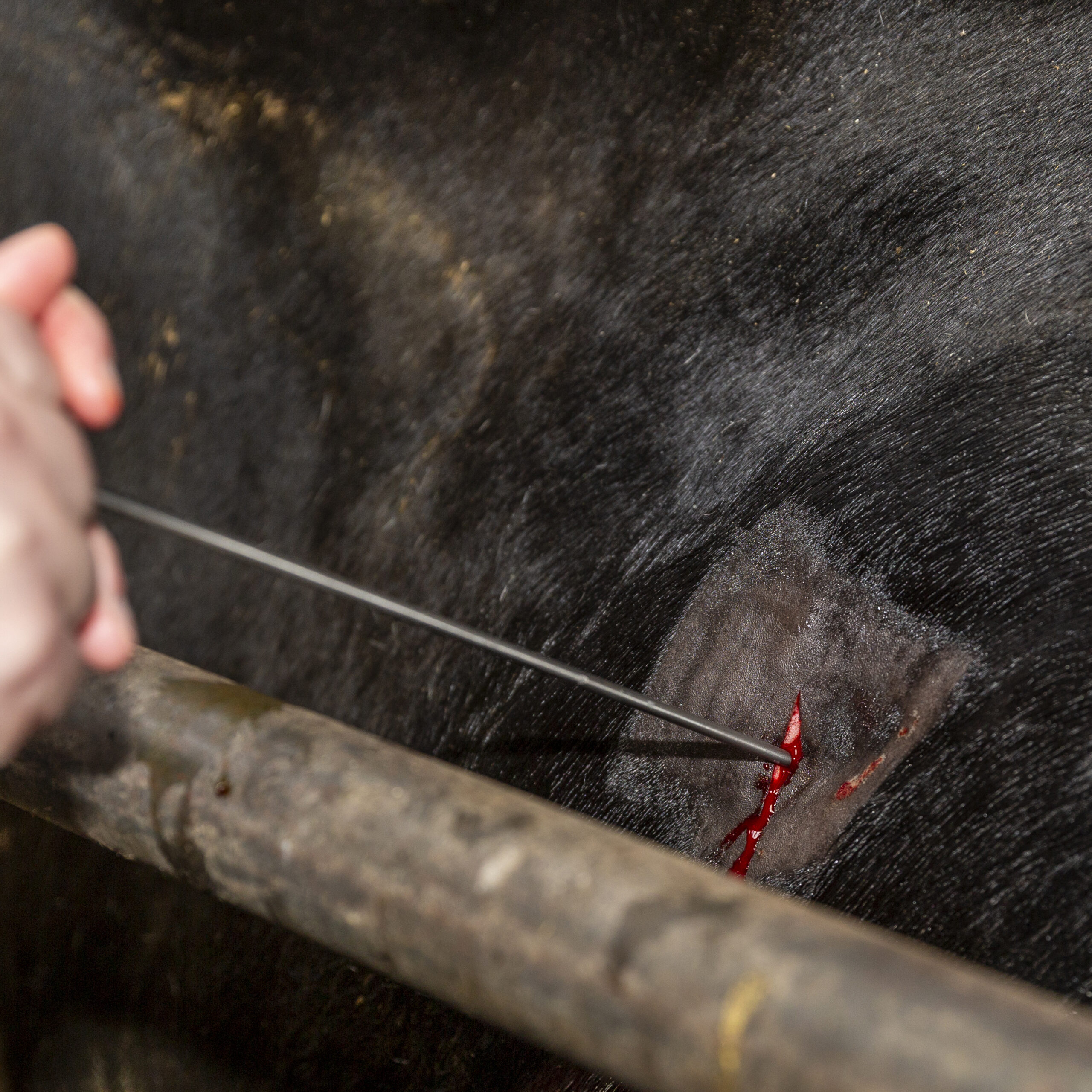
Fatty liver disease (FLD) is a common metabolic disorder, particularly in high-producing dairy cows, and it typically occurs around the time of calving. This condition develops when cows are in a state of negative energy balance, often due to insufficient nutrient intakes in the transition period between late pregnancy and early lactation. When cows are unable to meet the energy demands of lactation, their bodies start mobilising their fat stores, leading to the accumulation of fat in the liver. This accumulation can impair liver function, leading to a variety of symptoms such as reduced milk yield, weight loss, lethargy, and in more severe cases, jaundice or ketosis.
The risk of developing fatty liver disease can be mitigated through proper management strategies that ensure cows maintain an adequate energy intake during the transition period. This includes providing a well-balanced diet, and minimising stressors. Monitoring body condition and preventing rapid weight loss, are essential preventive measures. Cows with fatty liver disease can be treated with supportive care, such as intravenous glucose or other liver-stimulating treatments, to help restore normal liver function. If left unmanaged, fatty liver disease can lead to further complications, such as increased susceptibility to infections, displaced abomasum, and other metabolic disorders. In the most severe cases it is fatal. Early detection and management are key to preventing long-term health impacts and economic losses.