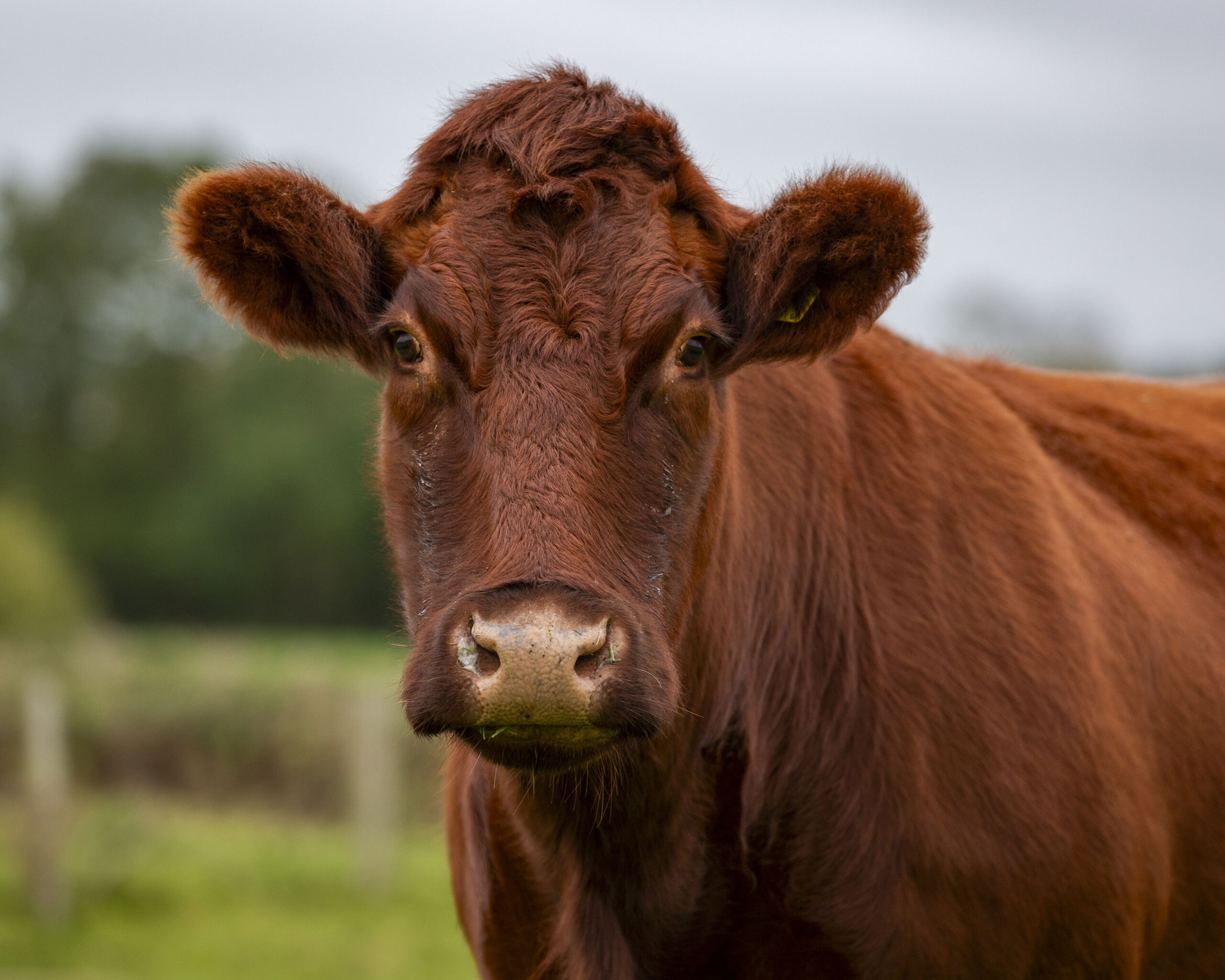

Ketosis is a common metabolic disorder, particularly in high-yielding dairy cows, and occurs when the animal’s body starts breaking down fat at an excessive rate, leading to an accumulation of the by-product known as ketones in the bloodstream. This typically happens in the early lactation period when the cow’s energy demand exceeds their intakes, causing a negative energy balance. Symptoms of ketosis can include a reduced appetite, weight loss, lethargy, and a decrease in milk production. In some cases, affected cows may also display a sweet or acetone-like odour on their breath due to the excess ketones. Nervous ketosis occurs when there is a significant buildup of ketones in the bloodstream affects the central nervous system. Symptoms include; aggression or irritability, disorientation and a lack of coordination, muscle tremors, head pressing, abnormal vocalizations: Some cows may produce unusual sounds, including low or high-pitched vocalizations and hypersalivation.
Effective management of ketosis involves early detection, regular monitoring, and prompt intervention. Preventative measures focus on ensuring cows have adequate energy intake, particularly during the transition period before and after calving. Diets rich in energy, including high-quality forages and concentrates, along with the careful monitoring of body condition, can help prevent ketosis. Treatment options typically include the administration of glucose or propylene glycol to help restore energy balance. In severe cases, veterinary intervention may be necessary. By managing energy balance effectively, the impact of ketosis on herd health and milk production can be minimized.
In early lactation dairy cows, NEFAs (Non-Esterified Fatty Acids) and BHBA (Beta-Hydroxybutyrate) are two key metabolites that help monitor the animal’s metabolic status and energy balance. Both play significant roles in understanding how a cow is mobilising fat reserves and managing energy, particularly during the critical period after calving. We can test for these with simple blood sampling. BHBAs can be tested for cow side.
Summary of NEFA and BHBA in Early Lactation:
| Metabolite | Normal Range | Elevated Levels Indicate |
| NEFAs | 0.2 – 0.6 mmol/L | Negative Energy Balance, Fat Mobilisation |
| BHBA | < 1.2 mmol/L | Ketosis, Subclinical Ketosis, Fat Metabolism Problems |
| High NEFAs | > 0.6 mmol/L | High Fat Mobilisation, Risk of Ketosis |
| High BHBA | > 1.2 mmol/L | Ketosis (Subclinical or Clinical) |